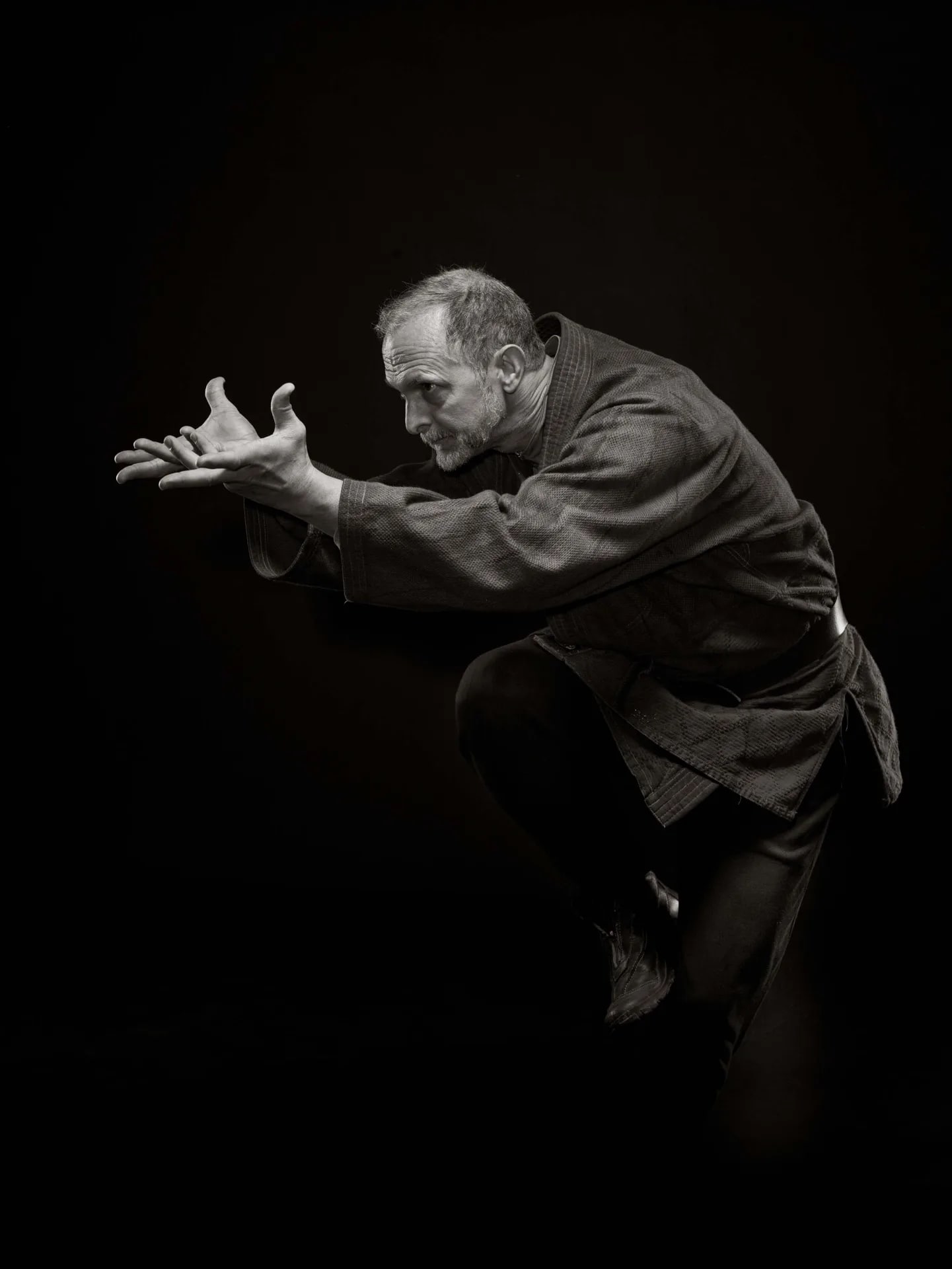
Yoga
Not contortion. Not pain. A slow coming back to the body you already have.
I have seen too many people driven out of yoga by pain. It was never about contortion. It was always about coming back, slowly, to the body you already had.
My yoga was shaped by long study of the classical Indian tradition, and then cross-referenced with the much less-known yogas of Persia and Egypt, and threaded through courses in Tibetan, Chinese, and Arab-Greek medicine. It sits beside — not apart from — the martial work. Both, when you get right down to it, are disciplines of attention.
I find the curriculum tends to suit four kinds of people: the beginner who has been discouraged by studio yoga and is ready to try again without the shame; the serious practitioner looking for depth beyond the mat; the athlete or dancer repairing their range of movement after the years have done their work; and the artist who is asking the body to serve the vision. If one of those sounds like you, I would be happy to hear from you.
Hatha
The classical Indian foundation. Breath, posture, and attention worked patiently into the body over a lifetime.
Yoga Nidra
Conscious rest. The restorative thread of the work — deep, layered, essential for students in recovery.
Persian Yoga
An inheritance from the Zurkhaneh — the house of strength. A movement tradition almost unknown in the West.
Egyptian Forms
Lesser-known sequences from the Hellenistic and Coptic traditions, cross-referenced through Arab-Greek medical texts.
A short extract from the Wisdom of the Body curriculum — the kind of micro-study members work through each week.
An introduction to the yoga teaching — Hatha, Nidra, and the Persian and Egyptian forms.
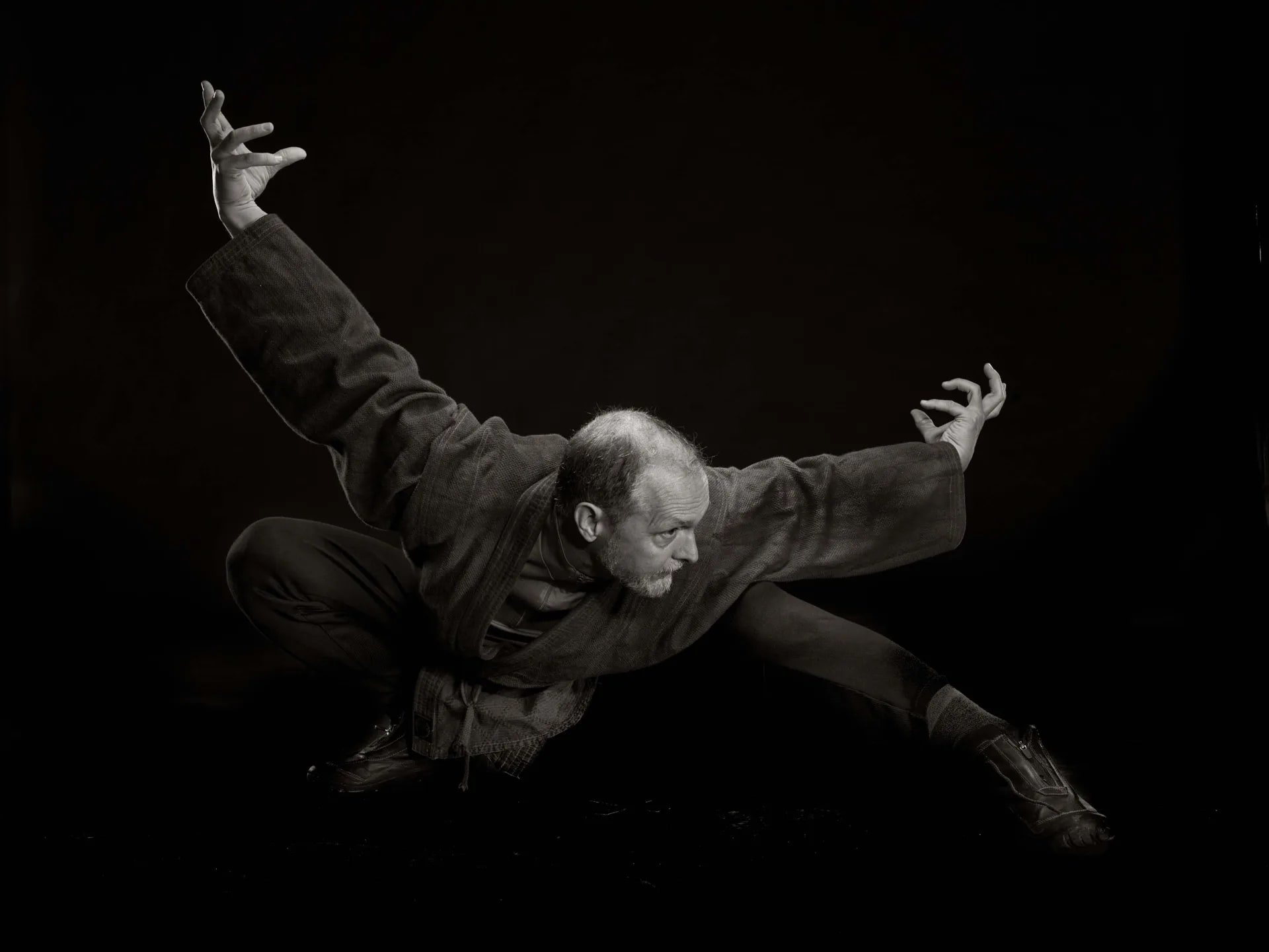
Workshops & private lessons.
Online and in-person instruction by arrangement. Workshops produce stronger results than downloaded lessons — we begin where your own body insists on beginning.
Request a lesson→